Natural Approaches for Men's Well-Being

Exploring botanical ingredients and natural care solutions

Natural Components and Men's Well-Being

Various natural components derived from botanical sources are discussed in relation to men's well-being. These ingredients come from plants, herbs, and other natural sources and may be incorporated into daily routines through different approaches.

This information is presented for educational purposes only and does not constitute individual recommendations or promises of specific outcomes. Individual responses to natural components can vary significantly based on numerous factors.

Botanical Ingredients Overview

Many botanical ingredients contain various compounds that are part of natural wellness discussions. These components may be found in different forms, including extracts, powders, or prepared formulations.
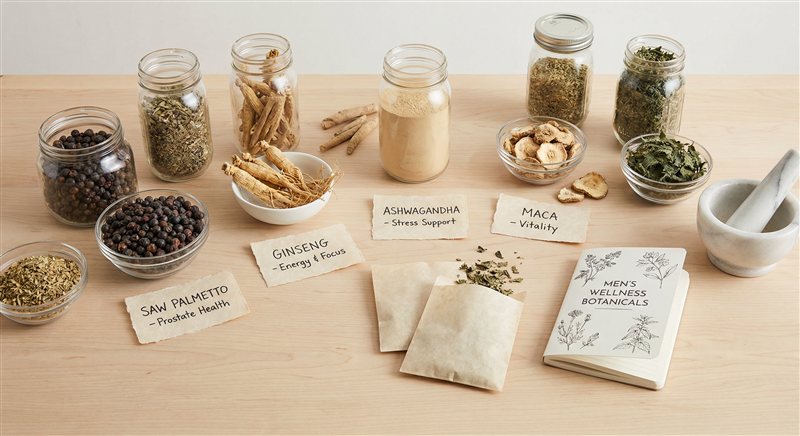
Natural botanical ingredients

Common botanical sources include adaptogenic herbs, which are plants that may help the body adapt to various stressors. These herbs have been used in traditional practices across different cultures and are often discussed in relation to general well-being.

Other botanical ingredients may come from roots, leaves, fruits, or seeds of various plants. Each source contains different compounds that have been studied for their properties and potential applications.
Natural Care Solutions

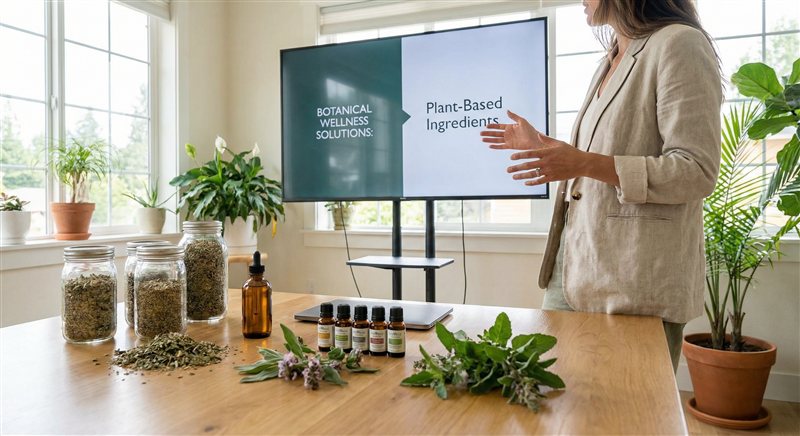
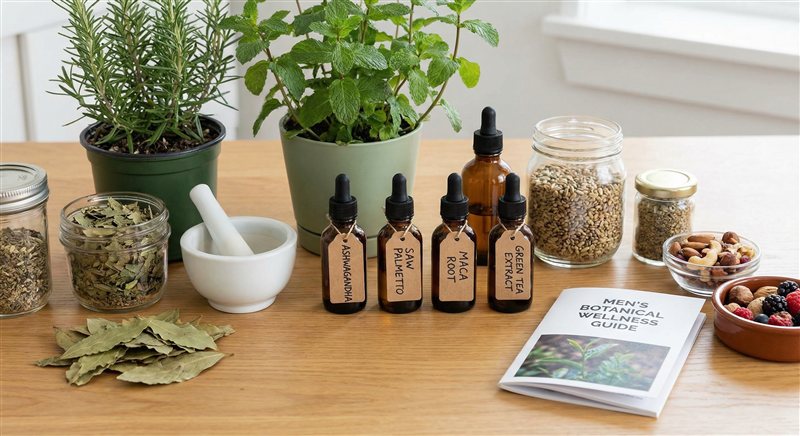
Natural care solutions encompass various approaches that incorporate botanical ingredients into daily routines. These solutions emphasize using ingredients derived from nature rather than synthetic sources.

Natural care approaches
Botanical wellness

The concept of natural care appeals to those interested in plant-based solutions and traditional practices. When considering natural care solutions, it's important to understand that botanical ingredients are complex mixtures of various compounds.

The interaction between these compounds and individual physiology can vary significantly. Factors such as age, existing health conditions, current medications, and personal sensitivities may influence how natural components are processed by the body.

Age-Related Considerations

Natural approaches to well-being may be considered at different life stages. For those in their forties and beyond, natural components are sometimes explored as part of a broader approach to maintaining general well-being.

This may include attention to dietary patterns, physical activity, rest, and stress management. Natural components are often discussed alongside these lifestyle factors rather than as isolated solutions.

It's important to recognize that individual needs and responses can vary significantly regardless of age. Factors such as genetics, lifestyle, existing health conditions, and personal preferences all play important roles in how natural approaches may be relevant.

Lifestyle Integration

Natural components are often most effective when integrated into a comprehensive lifestyle approach. This includes maintaining a balanced diet, engaging in regular physical activity, getting adequate rest, and managing stress effectively.

Dietary patterns play a foundational role in general wellness. A balanced diet that includes various nutrients from whole foods provides the foundation for good health. Some people choose to incorporate botanical ingredients as part of their dietary approach.

Regular physical activity supports overall health and may complement natural approaches. Different forms of exercise can be beneficial, and finding activities that are enjoyable and sustainable is important for long-term adherence.

Understanding Product Quality

When exploring natural components, product quality is an important consideration. Quality can vary significantly between different sources and manufacturers.

Factors such as purity, concentration, and absence of contaminants are important considerations when selecting natural components. Understanding how products are sourced, processed, and tested can help in making informed decisions.

It's also important to recognize that the natural origin of ingredients does not guarantee safety or effectiveness. Botanical ingredients can have various effects and interactions, and quality control measures are essential.

Limitations and Context

This information is provided for educational purposes only and does not constitute individual recommendations or medical advice. The materials presented here describe general concepts and should not replace personalized guidance from qualified professionals.

Individual responses to natural components may vary significantly. What works for one person may not work the same way for another. Various approaches exist in everyday life, and this information does not replace personal decision-making.

This website does not make promises about specific outcomes or results. Natural components are part of a broader approach to well-being that includes multiple factors beyond botanical ingredients alone.